Zoe Hartmann · 13 September 2026
Mechanics Behind Safeguarding Cultural Heritage in Developing Urban Areas
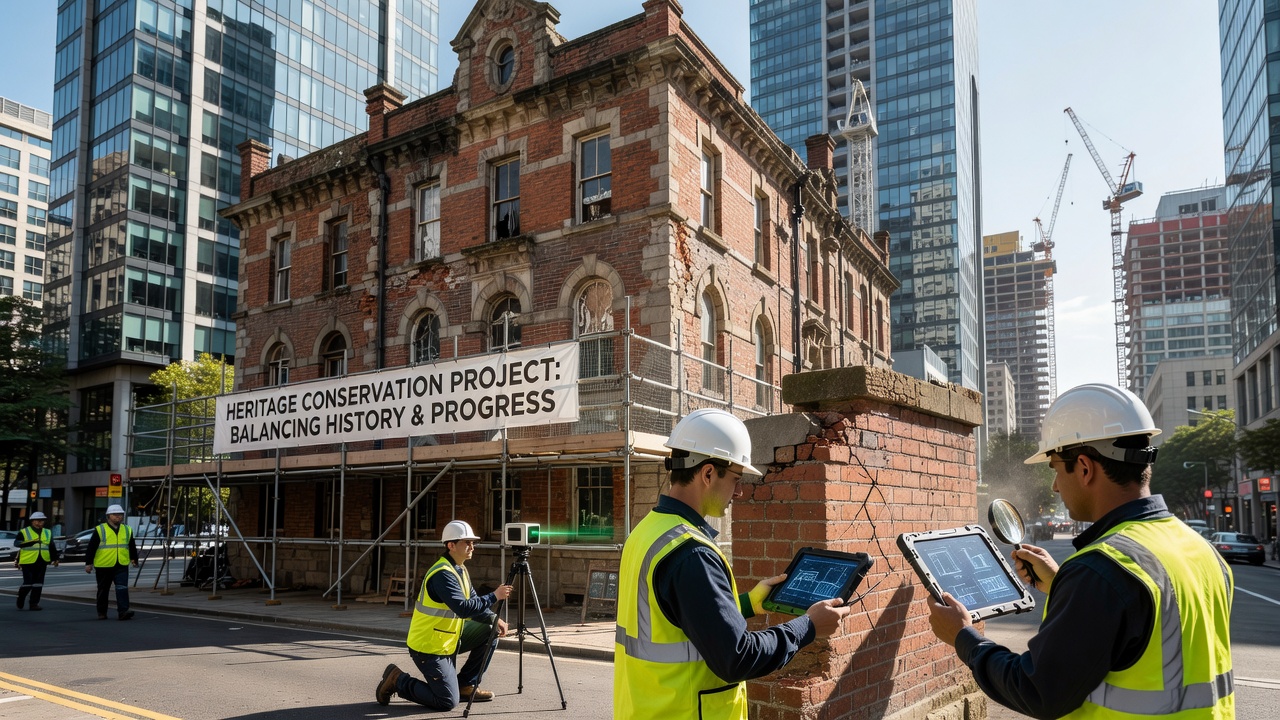
Heritage conservation operates through layered legal frameworks, technical assessments, and stakeholder negotiations that intersect directly with urban development projects around the world. Cities face constant pressure to accommodate population growth, infrastructure upgrades, and economic expansion, yet many jurisdictions maintain specific statutes requiring evaluation of historical structures before demolition or alteration permits are issued. These processes typically begin with site inventories conducted by local planning departments, followed by reviews from heritage commissions that apply criteria such as architectural significance, historical associations, and integrity of original materials.
Regulatory Structures Across Regions
National and regional authorities establish the baseline rules that guide how heritage assets are identified and protected during redevelopment. In the United States the National Park Service maintains the National Register of Historic Places, which triggers review under Section 106 of the National Historic Preservation Act whenever federal funding or permits are involved. European Union member states operate under directives that require environmental impact assessments to include cultural heritage components, while Australia’s state heritage registers impose similar obligations through planning legislation. Data compiled by the International Council on Monuments and Sites shows that over 1,100 World Heritage properties worldwide now include urban zones subject to these overlapping rules, creating a network of protections that developers must navigate before groundbreaking.
Local ordinances often add another tier of requirements, mandating public hearings and adaptive reuse studies when buildings exceed certain age thresholds. Planners in rapidly growing metropolitan areas such as Singapore and Toronto have refined these systems to include digital mapping tools that flag potential conflicts early in the permitting cycle, reducing delays while still preserving key elements like streetscapes and interior features.
Technical Assessment Methods
Conservation specialists employ a range of diagnostic techniques to determine structural viability and cultural value before any development decisions are finalized. Non-destructive testing methods such as ground-penetrating radar, infrared thermography, and material sampling allow engineers to evaluate foundations and load-bearing walls without immediate removal of historic fabric. When conflicts arise, mitigation strategies range from full preservation in situ to selective dismantling and reconstruction of significant portions within new designs. Research published by university engineering departments indicates that hybrid approaches combining original masonry with modern steel reinforcements have become standard practice in seismic zones, extending building lifespans while meeting contemporary safety codes.
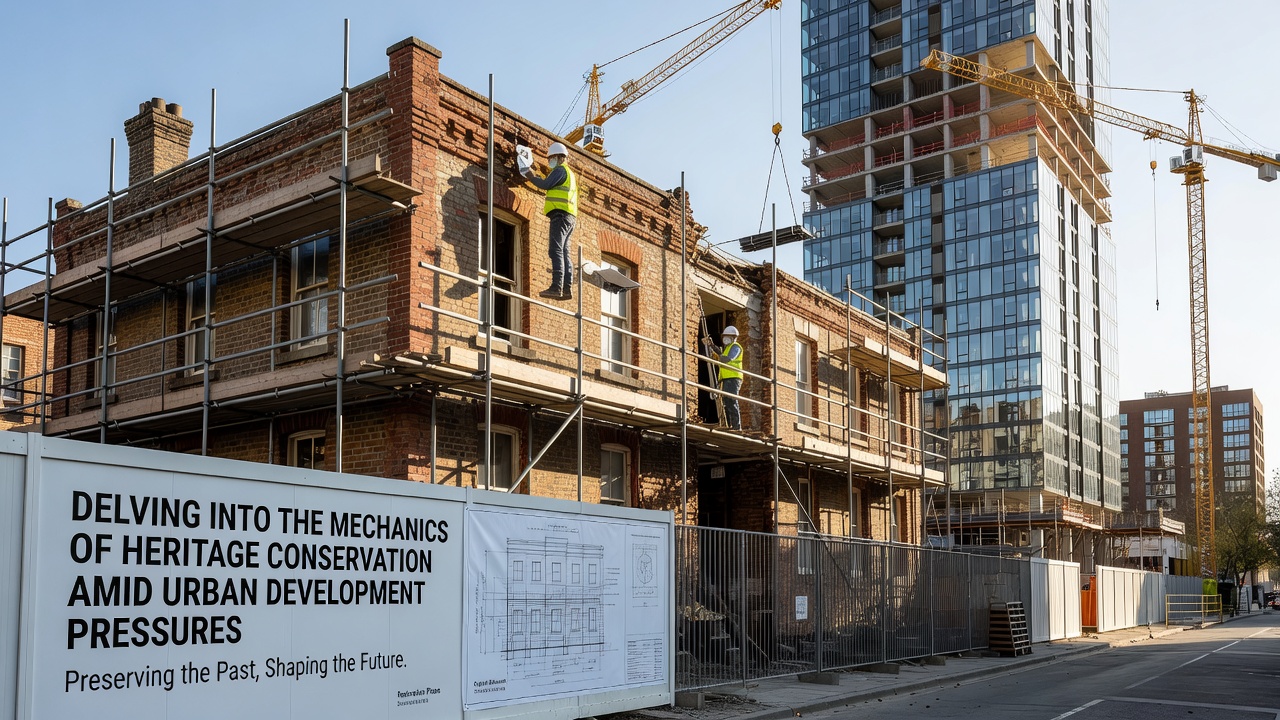
Financial incentives play a documented role in encouraging owners to pursue conservation rather than replacement. Tax credits, grants, and density bonuses appear in multiple jurisdictions, with figures from the U.S. National Trust for Historic Preservation revealing that rehabilitation projects leveraging federal tax incentives generated billions in private investment between 2015 and 2024. Similar programs in Canada and the United Kingdom tie funding eligibility to documented retention of character-defining features, creating measurable outcomes tracked through annual reporting.
Stakeholder Dynamics and Case Examples
Community groups, property owners, developers, and government agencies interact through structured consultation processes that shape final project outcomes. In several documented instances, early engagement with neighborhood associations has led to design revisions that retain cornerstones or facade elements while allowing additional floor area elsewhere on the site. Observers note that transparent documentation of these negotiations helps maintain public trust and reduces litigation risk for all parties involved.
One study from an Australian university tracked 47 redevelopment proposals over a five-year period and found that projects incorporating heritage elements from the outset achieved faster approvals and higher long-term occupancy rates compared with those requiring extensive redesigns after initial rejection. These patterns emerge consistently across different regulatory environments, underscoring the practical value of integrating conservation analysis into preliminary feasibility work.
Emerging Trends Through 2026
International forums scheduled for September 2026 are expected to address updates to heritage guidelines in light of climate resilience requirements and digital documentation advances. Delegates plan to review how rising sea levels and extreme weather events affect coastal historic districts, prompting consideration of new risk-assessment protocols that could influence permitting standards in vulnerable cities. Parallel discussions focus on artificial intelligence applications for monitoring structural health in real time, potentially shifting conservation from reactive repairs to predictive maintenance models.
Policy documents released by multiple national agencies indicate continued emphasis on balancing density goals with heritage retention, particularly in transit-oriented development zones where land values create strong incentives for vertical expansion. Training programs for municipal staff increasingly incorporate modules on these integrated approaches, ensuring consistent application of evaluation criteria across projects of varying scales.
Conclusion
The mechanics of heritage conservation amid urban development rest on established regulatory pathways, technical evaluation standards, and ongoing collaboration among diverse stakeholders. As cities continue to expand, the documented outcomes from existing frameworks demonstrate that systematic integration of heritage considerations into planning processes yields measurable results in preservation rates and project viability. Ongoing refinements, including those anticipated at upcoming international gatherings, aim to strengthen these systems while accommodating growth pressures that show no sign of abating.