Zoe Hartmann · 25 October 2026
Blending Innovation and Heritage: Insights from Europe's Architectural Community on Digital and Traditional Design
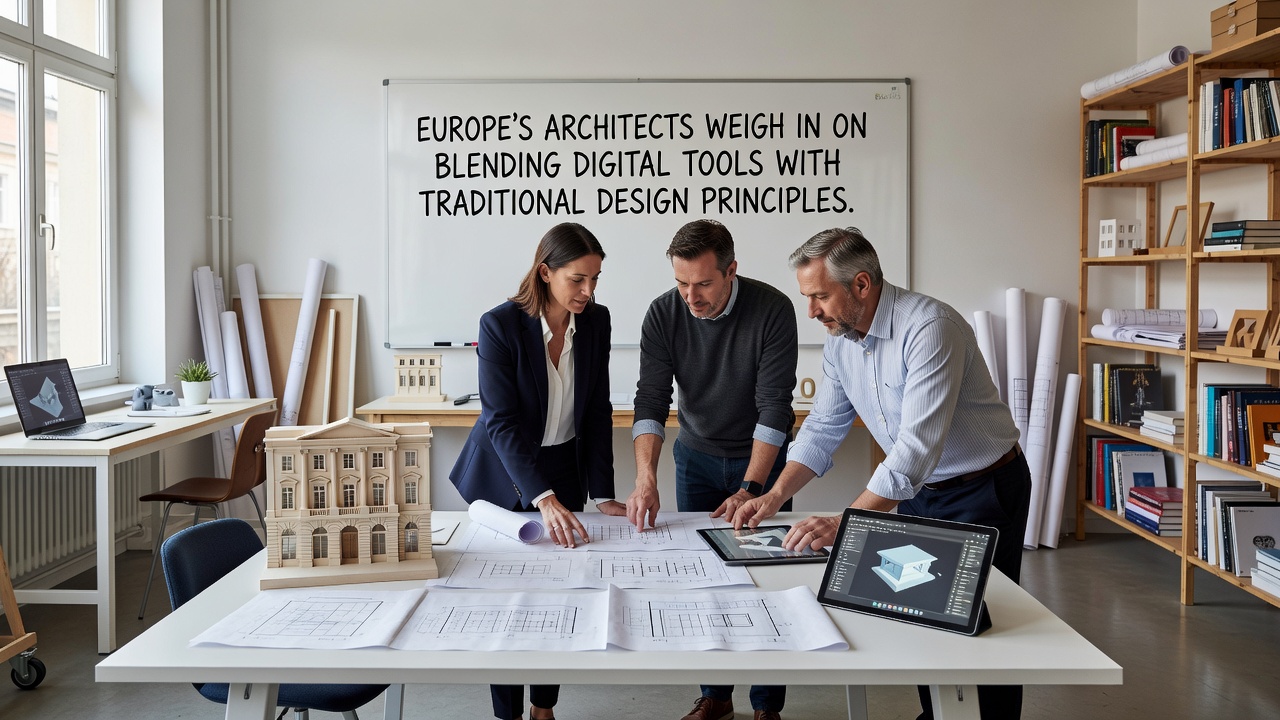
European architects have long maintained strong connections to historical building techniques while adopting new software and modeling tools, and this ongoing integration draws attention at professional gatherings scheduled through October 2026. Data from the European Commission on digital transformation in construction shows steady increases in the use of building information modeling alongside preservation guidelines in countries such as France, Germany, and Italy.
Current Practices Across Regions
Design teams in Paris combine parametric software with limestone masonry traditions, whereas firms in Barcelona apply laser scanning to Gothic structures before adding contemporary extensions. Researchers at ETH Zurich documented how these methods reduce material waste by measurable percentages during restoration projects completed between 2023 and 2025. Observers note that such combinations allow precise measurements of load-bearing walls while respecting original proportions established centuries earlier.
Italian studios in Florence employ virtual reality walkthroughs to test interventions on Renaissance facades, and this approach aligns with national heritage regulations that require visual impact studies before approvals. Reports from the German Federal Ministry for Housing, Urban Development and Building indicate similar patterns in Berlin where digital twins help simulate energy performance without altering protected brickwork.
Case Examples from Recent Projects
One restoration effort at a 17th-century monastery in Portugal used drone photogrammetry to create accurate 3D records before installing climate control systems, and the resulting data guided placement of hidden conduits that preserved original frescoes. Another initiative in Amsterdam integrated algorithmic design tools with canal house bricklaying sequences, producing facades that met both modern insulation standards and municipal aesthetic rules.
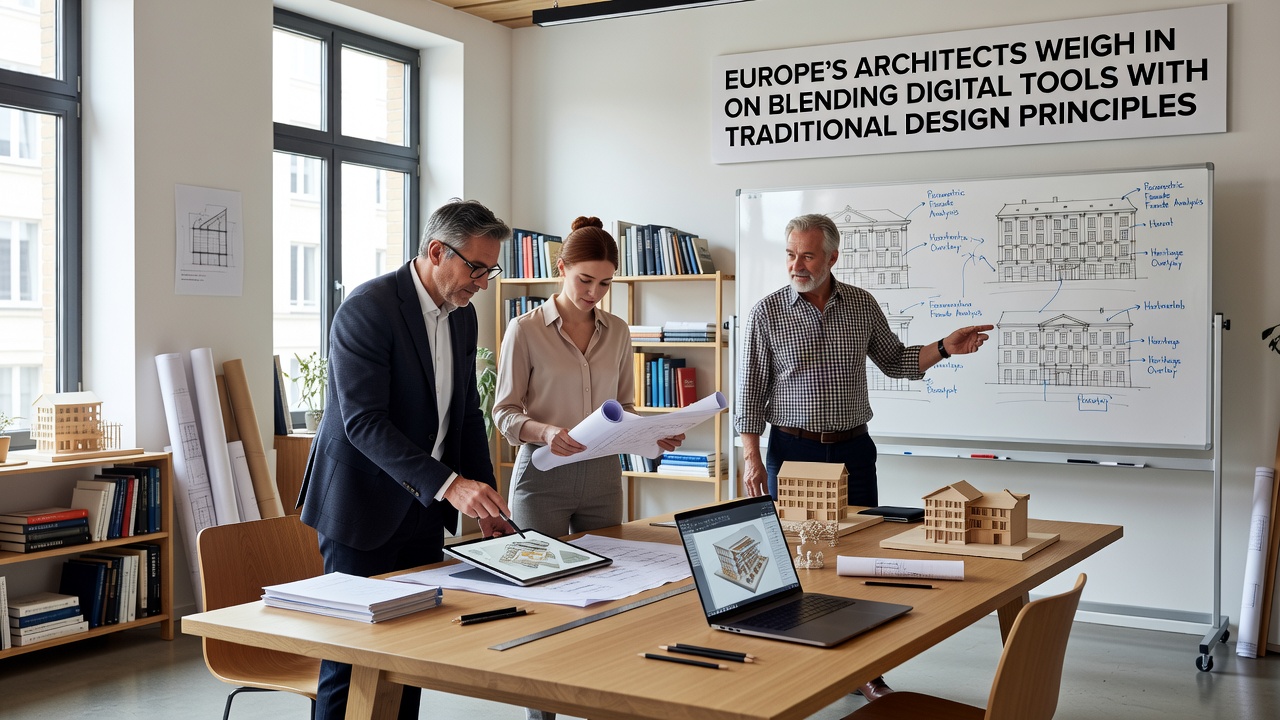
Professionals in Athens have applied similar scanning techniques to ancient marble elements, allowing engineers to calculate reinforcement needs while maintaining visual continuity with surrounding ruins. These examples illustrate how digital records support decisions that traditional hand-drawing alone could not quantify as quickly.
Technical and Regulatory Factors
Standards developed by the European Committee for Standardization encourage interoperability between heritage documentation formats and common architectural software platforms. Training programs at universities in Delft and Vienna now include modules that pair classical proportion studies with computational geometry, preparing graduates for hybrid workflows. Figures released by national statistics offices show rising enrollment in these combined courses over the past four years.
Yet regulatory bodies in multiple member states continue to require physical samples and on-site inspections even when digital simulations provide supporting evidence, creating parallel review processes that extend project timelines. Architects report that clear communication between digital modelers and traditional craftspeople remains essential for avoiding mismatches during construction phases.
Outlook Toward 2026 Events
Conferences planned for October 2026 in Milan and Copenhagen will feature presentations on updated guidelines for digital documentation of protected sites, and organizers expect participation from both established practices and newer firms. Academic papers presented at these meetings typically compare outcomes from projects that successfully merged the two approaches with those that encountered compatibility issues.
Conclusion
European architectural practice continues to evolve through measured adoption of digital capabilities that complement established design principles, supported by regulatory frameworks, educational updates, and documented project results. The patterns observed across regions point to sustained interest in methods that honor material and cultural continuity while addressing contemporary performance requirements.